🌱 ทำไมผักไฮโดรฯ ถึงโตเร็วกว่าปลูกดิน — อธิบายแบบเข้าใจง่าย
เคยสงสัยไหมว่าทำไมผักที่ปลูกในน้ำ (ไฮโดรโปนิกส์) ถึงโตเร็วกว่าการปลูกดินแบบดั้งเดิมได้ถึง 30–50%? คำตอบอยู่ที่วิธีที่พืชได้รับสารอาหาร ไม่ใช่แค่เรื่องของน้ำ
Ever wondered why hydroponic plants can grow 30–50% faster than those in soil? The answer lies in how the plant accesses nutrients — not just water.


ภาษาไทย
🌿 เรื่องสั้นๆ ก่อนเริ่ม
ลองนึกภาพว่าคุณกำลังวิ่งมาราธอน แต่ทุกก้าวต้องเดินผ่านทรายหนาๆ ก่อนถึงเส้นชัย นั่นคือสิ่งที่รากพืชทำอยู่ทุกวันเมื่อปลูกในดิน — มันต้องขุดเจาะ ค้นหา และแย่งชิงสารอาหารจากสภาพแวดล้อมที่ไม่แน่นอน
แต่ในระบบไฮโดรโปนิกส์ สารอาหารทุกอย่างที่พืชต้องการลอยอยู่ตรงหน้า พร้อมให้ดูดซึมทันที รากไม่ต้องทำงานหนัก พลังงานส่วนนั้นจึงถูกส่งต่อไปยังการเติบโต — ผลลัพธ์คือโตเร็วกว่า แข็งแรงกว่า และในหลายกรณี รสชาติดีกว่าด้วย
🔬 เหตุผลที่ 1 — รากได้ออกซิเจนมากกว่า (และนี่คือส่วนที่หลายคนมักมองข้าม)
ความเชื่อผิดๆ ที่พบบ่อย: “ไฮโดรโปนิกส์ก็แค่ปลูกในน้ำ รากต้องขาดอากาศสิ”
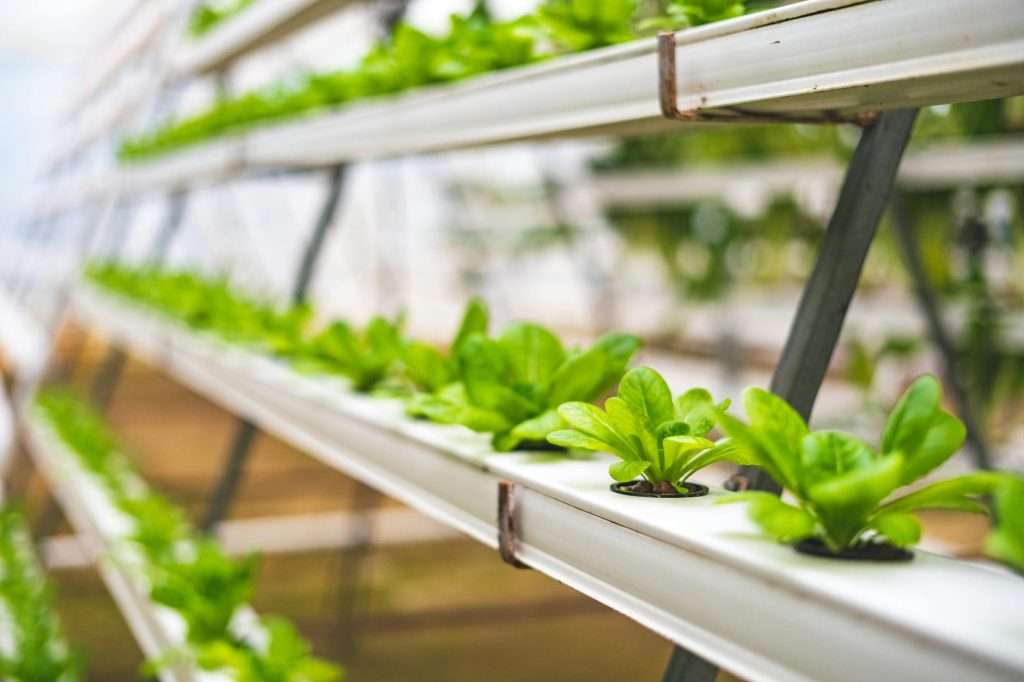
ความเป็นจริง: ระบบไฮโดรโปนิกส์ที่ออกแบบมาดี เช่น Deep Water Culture (DWC) หรือ NFT (Nutrient Film Technique) จะมีการเติมอากาศหรือสร้างช่องว่างให้รากสัมผัสออกซิเจนโดยตรง ซึ่งมากกว่าดินทั่วไปที่มีออกซิเจนในช่องว่างแค่ 15–25% เท่านั้น
ออกซิเจนที่รากคือเชื้อเพลิงของกระบวนการดูดซึมสารอาหาร ยิ่งรากหายใจได้ดี ยิ่งดูดซึมได้เร็ว ยิ่งโตเร็ว — นี่คือหัวใจของเรื่องทั้งหมด
💧 เหตุผลที่ 2 — สารอาหารพร้อมดูดซึมทันที ไม่ต้องรอให้ดินย่อย
ในดิน ธาตุอาหารอย่างไนโตรเจน ฟอสฟอรัส และโพแทสเซียมอยู่ในรูปแบบที่ซับซ้อน รากต้องอาศัยจุลินทรีย์ในดินช่วยย่อยสลายก่อน กระบวนการนี้ใช้เวลาและขึ้นอยู่กับตัวแปรมากมาย — อุณหภูมิ ความชื้น pH ของดิน ฯลฯ
ในไฮโดรโปนิกส์ ธาตุอาหารถูกละลายในน้ำในรูปแบบที่รากดูดซึมได้เลย (ionic form) ไม่มีตัวกลาง ไม่มีการรอ พืชได้รับสิ่งที่ต้องการในทันที เหมือนกับการกินอาหารที่ย่อยสำเร็จรูปมาให้แล้ว เทียบกับการต้องทำอาหารตั้งแต่ต้นทุกมื้อ
⚡ เหตุผลที่ 3 — พลังงานรากไปสู่การเติบโต ไม่ใช่การค้นหา
งานวิจัยจาก University of Arizona พบว่าระบบรากของพืชในดินอาจใช้พลังงานไปถึง 40% เพื่อการขยายตัวหาแหล่งสารอาหาร ในขณะที่รากในระบบไฮโดรโปนิกส์ใช้พลังงานน้อยกว่ามาก เพราะสารอาหารอยู่ใกล้แค่เอื้อม
พลังงานส่วนที่ “เหลือ” นั้นพืชนำไปใช้ทำอะไร? ใช้สร้างใบ สร้างลำต้น ขยายตัว — นั่นคือเหตุผลที่มองเห็นได้ด้วยตาว่าโตเร็วกว่า
🕐 เหตุผลที่ 4 — ควบคุมสภาพแวดล้อมได้ 24 ชั่วโมง
ดินมีความแปรปรวน ฝนตกมาก ดินแน่น รากขาดอากาศ แล้งมาก สารอาหารไม่ละลาย ดินเป็นกรด พืชดูดโพแทสเซียมไม่ได้ — ตัวแปรเหล่านี้อยู่นอกเหนือการควบคุมของคนปลูกในดิน
ระบบไฮโดรโปนิกส์ที่มี sensor และ app ควบคุม ช่วยให้สภาพแวดล้อมของรากคงที่ตลอดเวลา pH ถูกต้อง สารอาหารถูกสัดส่วน อุณหภูมิน้ำเหมาะสม ไม่มีวันดี วันเสีย — พืชเติบโตในสภาพที่เหมาะสมที่สุดทุกวัน
🤔 ความเชื่อผิดๆ ที่หลายคนยังเข้าใจ — ต้องรู้ก่อนเริ่มปลูก
❌ “ผักไฮโดรโปนิกส์ไม่มีคุณค่าทางอาหาร เพราะไม่ได้ปลูกในดิน”
ความจริง: คุณค่าทางโภชนาการของผักขึ้นอยู่กับปริมาณและชนิดของธาตุอาหารที่พืชได้รับ ไม่ใช่วิธีการปลูก งานวิจัยหลายชิ้นพบว่าผักไฮโดรโปนิกส์มีปริมาณวิตามินและแร่ธาตุเทียบเท่าหรือสูงกว่าผักในดินด้วยซ้ำ เพราะนักปลูกสามารถควบคุมสูตรอาหารได้แม่นยำกว่า
❌ “น้ำในระบบไฮโดรโปนิกส์ต้องเปลี่ยนทุกวัน วุ่นวายมาก”
ความจริง: ระบบไฮโดรโปนิกส์สมัยใหม่ที่มีการหมุนเวียนน้ำ (recirculating system) ใช้น้ำน้อยกว่าการปลูกดินถึง 90% และน้ำในถังสามารถอยู่ได้นาน 1–2 สัปดาห์โดยไม่ต้องเปลี่ยน แค่เติมเมื่อระดับลดลง
❌ “ต้องมีความรู้เรื่องเคมีถึงจะปลูกได้”
ความจริง: ระบบสำเร็จรูปในปัจจุบันออกแบบมาให้ผู้เริ่มต้นที่ไม่มีพื้นฐานใดๆ ใช้ได้ทันที สารอาหารสำเร็จรูป, app ที่แจ้งเตือนเมื่อถึงเวลาเติม และ sensor วัดค่า pH อัตโนมัติ ทำให้คุณไม่จำเป็นต้องเป็นนักเคมี
📊 เปรียบเทียบตรงๆ: ไฮโดรโปนิกส์ vs ปลูกดิน
| ปัจจัย | ปลูกดิน | Hydroponics |
|---|---|---|
| ความเร็วการเติบโต | ปกติ | เร็วกว่า 30–50% |
| การใช้น้ำ | มาก (ส่วนใหญ่ระเหยหรือซึม) | น้อยกว่าถึง 90% |
| ควบคุมสารอาหาร | ขึ้นกับคุณภาพดิน | แม่นยำ 100% |
| ต้องการพื้นที่ | ต้องการดินและพื้นที่กว้าง | เหมาะกับคอนโด/พื้นที่เล็ก |
| ศัตรูพืช/แมลง | มากกว่า | น้อยกว่า (ไม่มีดิน = ไม่มีแหล่งอาศัยหลัก) |
| เหมาะสำหรับมือใหม่? | ขึ้นอยู่กับประสบการณ์ | ใช่ (ถ้าใช้ระบบสำเร็จรูป) |
🌱 พืชแบบไหนเหมาะกับไฮโดรโปนิกส์มากที่สุด?
ไม่ใช่ทุกพืชที่ได้ประโยชน์เท่ากันจากระบบไฮโดรโปนิกส์ พืชที่ตอบสนองดีที่สุดคือ:
- ผักใบ — กระเพรา โหระพา สะระแหน่ ผักบุ้ง ผักชี (เห็นผลเร็ว 2–4 สัปดาห์)
- ผักสลัด — ฟริลไอซ์เบิร์ก บัตเตอร์เฮด อาร์กูลา (โตเร็วมาก 21–30 วัน)
- ผักสมุนไพรขนาดเล็ก — ที่คนเมืองใช้บ่อยแต่ซื้อทีละนิด เหมาะมากกับระบบขนาดเล็กในบ้าน
พืชที่ต้องการเวลานานและพื้นที่มาก เช่น มะเขือเทศ แตงกวา หรือพืชหัว ใช้ไฮโดรโปนิกส์ได้เช่นกัน แต่ต้องการระบบที่ใหญ่และซับซ้อนกว่า ไม่เหมาะกับผู้เริ่มต้นในคอนโด
✅ สรุป: เหตุผลหลักที่ไฮโดรโปนิกส์โตเร็วกว่า
- รากได้รับออกซิเจนมากกว่า — กระบวนการดูดซึมทำงานได้เต็มประสิทธิภาพ
- สารอาหารพร้อมดูดซึมทันที — ไม่ต้องรอจุลินทรีย์ย่อยสลาย
- พลังงานรากไม่สูญเปล่า ไปกับการค้นหาสารอาหาร
- สภาพแวดล้อมคงที่และเหมาะสมตลอดเวลา ไม่มีตัวแปรจากธรรมชาติรบกวน
ในครั้งหน้าที่ใครบอกว่า “ปลูกดินดีกว่า” คุณรู้แล้วว่าจะตอบว่าอะไร 😄
❓ FAQ — คำถามที่พบบ่อย
ผักไฮโดรโปนิกส์โตเร็วกว่าดินจริงๆ หรือแค่โฆษณา?
จริง มีงานวิจัยรองรับ โดยเฉลี่ยผักใบโตเร็วกว่า 30–50% ขึ้นอยู่กับชนิดพืชและระบบที่ใช้ ผักสลัดในระบบ NFT เช่น อาจเก็บเกี่ยวได้ภายใน 21 วัน เทียบกับปลูกดินที่ใช้เวลา 35–45 วัน
ไฮโดรโปนิกส์ใช้น้ำมากกว่าปลูกดินไหม?
ตรงกันข้ามเลย ระบบไฮโดรโปนิกส์แบบหมุนเวียนน้ำใช้น้ำน้อยกว่าการปลูกดินสูงถึง 90% เพราะน้ำไม่ระเหยหรือซึมลงดิน แต่หมุนเวียนกลับมาใช้ซ้ำ
ต้องเปลี่ยนน้ำในระบบบ่อยแค่ไหน?
ระบบขนาดเล็กในบ้านส่วนใหญ่ไม่จำเป็นต้องเปลี่ยนน้ำทั้งหมด เพียงแค่เติมน้ำเมื่อระดับลดลงและเติมสารอาหารตามค่าที่ sensor วัดได้ การเปลี่ยนน้ำทั้งหมดทำทุก 2–4 สัปดาห์เพื่อล้างระบบเท่านั้น
ผักไฮโดรโปนิกส์ปลอดภัยกินไหม?
ปลอดภัยแน่นอน ในความเป็นจริง เนื่องจากไม่ใช้ดิน โอกาสปนเปื้อนจากเชื้อโรคในดินและสารพิษในดินจึงน้อยกว่า อย่างไรก็ตาม คุณภาพขึ้นอยู่กับสารอาหารที่ใช้และความสะอาดของระบบด้วย
ถ้าไม่มีพื้นที่นอกบ้านเลย ปลูกไฮโดรโปนิกส์ได้ไหม?
ได้ นั่นคือจุดเด่นหลักของไฮโดรโปนิกส์สำหรับคนเมือง ระบบขนาดเล็กที่วางบนเคาน์เตอร์ครัวหรือริมหน้าต่าง ใช้พื้นที่แค่ 30×30 ซม. สามารถปลูกสมุนไพรและผักใบที่ใช้ทำอาหารได้ทุกวัน โดยไม่ต้องมีระเบียงหรือพื้นที่นอกบ้านเลย
อ้างอิง: Jensen, M.H. & Collins, W.L. (1985). Hydroponic vegetable production. Horticultural Reviews. | Resh, H.M. (2013). Hydroponic Food Production. CRC Press.
English
🌿 A Quick Analogy to Start
Imagine running a marathon through thick sand with every step. That’s essentially what plant roots do when growing in soil — they push, search, and compete for nutrients in an unpredictable environment.
In a hydroponic system, every nutrient the plant needs is dissolved and waiting. Roots don’t have to work hard to find food. That saved energy goes directly into growth — which is why hydroponic plants visibly grow faster, often come in stronger, and in many cases taste better too.
🔬 Reason #1 — Roots Get More Oxygen (This Is the Part Most People Miss)
Common misconception: “Hydroponics is just growing in water — roots must suffocate.”
Reality: A well-designed hydroponic system — like Deep Water Culture (DWC) or Nutrient Film Technique (NFT) — actively aerates the water or creates air gaps so roots are in constant contact with oxygen. This often delivers more oxygen to the root zone than typical garden soil, which holds oxygen only in its air pockets (roughly 15–25% by volume).
Oxygen at the roots is the fuel for nutrient uptake. More oxygen = faster absorption = faster growth. This is the single most underrated factor in why hydroponics works.
💧 Reason #2 — Nutrients Are Instantly Bioavailable
In soil, nutrients like nitrogen, phosphorus, and potassium exist in complex molecular forms. Roots need soil microorganisms to break them down into an absorbable state first — a process that takes time and depends on many variables: temperature, moisture, soil pH, microbial health.
In hydroponics, nutrients are pre-dissolved in their ionic form — ready for immediate root absorption. No middlemen, no waiting. It’s the difference between eating a fully prepared meal versus cooking from raw ingredients every single time.
⚡ Reason #3 — Root Energy Goes Into Growth, Not Searching
Research from the University of Arizona found that soil-grown plants may spend up to 40% of their energy on root expansion — growing longer, wider root systems to search for nutrients spread unevenly through the ground.
Hydroponic roots don’t need to do this. Food is right there. That 40% of saved energy gets redirected into building leaves, stems, and biomass. The result is visibly faster above-ground growth — which is exactly what you want when you’re growing herbs for your kitchen.
🕐 Reason #4 — Perfect Conditions, Around the Clock
Soil is inherently variable. Too much rain? Roots suffocate. Too dry? Nutrients can’t dissolve. Soil too acidic? Potassium uptake shuts down. Outdoor growers deal with these variables constantly, and there’s only so much they can control.
A monitored hydroponic system maintains stable pH, balanced nutrients, and consistent water temperature every single day. No good days and bad days — just optimal conditions, continuously. Plants respond to consistency with steady, reliable growth.
🤔 Common Myths — Busted
❌ “Hydroponic vegetables have no nutritional value because there’s no soil.”
False. Nutritional content depends on what nutrients the plant receives, not how it receives them. Multiple studies have found hydroponic vegetables to have comparable or higher levels of certain vitamins and minerals compared to soil-grown counterparts — because growers can dial in exact nutrient formulas.
❌ “You have to change the water every day — it’s too much work.”
False. Modern recirculating systems use up to 90% less water than soil growing. You simply top up the reservoir when levels drop. A full water change typically happens every 2–4 weeks for system maintenance — not daily.
❌ “You need chemistry knowledge to manage nutrients.”
False for modern beginners’ systems. Pre-mixed nutrient solutions, app-based alerts, and automatic pH monitoring remove the guesswork. You don’t need a chemistry degree — you need to follow simple instructions and respond to alerts.
📊 Side-by-Side Comparison: Hydroponics vs Soil
| Factor | Soil Growing | hydroponic systems from LetPot |
|---|---|---|
| Growth speed | Standard | 30–50% faster |
| Water usage | High (evaporation + runoff) | Up to 90% less |
| Nutrient control | Depends on soil quality | Precisely controlled |
| Space required | Garden bed / outdoor area | Works in a small indoor space |
| Pests & insects | More common | Fewer (no soil = fewer habitats) |
| Beginner-friendly? | Requires experience | Yes, with a ready-to-use system |
🌱 Which Plants Grow Best Hydroponically?
Not all plants benefit equally from hydroponics. The best candidates for beginners — especially those growing in limited indoor space — are:
- Leafy herbs — Thai basil, holy basil, mint, cilantro (results in 2–4 weeks)
- Salad greens — Butterhead, frisée, arugula (21–30 days to harvest)
- Small culinary herbs — the kind you use weekly but buy in small bunches: ideal for compact countertop systems
Fruiting plants like tomatoes or cucumbers can also be grown hydroponically, but they require larger, more complex setups — not the right starting point if you’re new to it.
✅ Summary: Why Hydroponics Grows Faster
- More oxygen at the roots — nutrient uptake runs at full efficiency
- Instantly bioavailable nutrients — no waiting for microbial breakdown
- Root energy isn’t wasted on searching — it all goes into growing
- Consistent, ideal conditions every day — no bad days from weather or soil variability
Next time someone tells you soil is better, you’ll know exactly what to say. 😄
❓ FAQ
Is the faster growth claim actually proven?
Yes. Multiple peer-reviewed studies support a 30–50% faster growth rate for leafy greens in hydroponic systems versus soil. Lettuce in an NFT system, for instance, can be harvest-ready in 21 days compared to 35–45 days in soil.
Does hydroponics use more water than soil growing?
Quite the opposite. Recirculating hydroponic systems use up to 90% less water than traditional soil growing, because water isn’t lost to evaporation or soil absorption — it cycles back through the system.
How often do I need to change the water?
For most home countertop systems, you don’t change all the water frequently. Simply top up the reservoir when levels drop and add nutrients as indicated. A full system flush happens every 2–4 weeks.
Are hydroponic vegetables safe to eat?
Absolutely. Because there’s no soil involved, there’s less risk of contamination from soil-borne pathogens. Quality depends on the nutrient solution used and how clean the system is maintained.
Can I grow hydroponically with no outdoor space at all?
Yes — that’s one of hydroponics’ biggest advantages for city dwellers. A compact countertop system needs as little as 30×30 cm of space and can sit on a kitchen counter or near a window. No garden, no balcony required.
References: Jensen, M.H. & Collins, W.L. (1985). Hydroponic vegetable production. Horticultural Reviews, 7, 483–558. | Resh, H.M. (2013). Hydroponic Food Production (7th ed.). CRC Press. | Barbosa, G.L. et al. (2015). Comparison of land, water, and energy requirements of lettuce grown using hydroponic vs. conventional agricultural methods. International Journal of Environmental Research and Public Health.
Stay in the loop


Subscribe To Our Newsletter
Update information and knowledge about home gardening and Smart Gardening technology
Including the latest news and exclusive promotions from LetPot before anyone else!